Culverts, Headwalls and Canal-Side Concrete in Radium Springs, New Mexico
Canal crossings and headwalls are daily work in the upper Mesilla Valley, and Radium Springs sits at the upstream end of it. Water moves through this valley in ditches that were built to be reliable, and when a road, a driveway or a pipeline has to cross one, the concrete that carries it needs to be right the first time. We form, reinforce and pour headwalls, inlet and outlet structures, box culverts and aprons, and we do the excavation, dewatering and backfill that go with them.
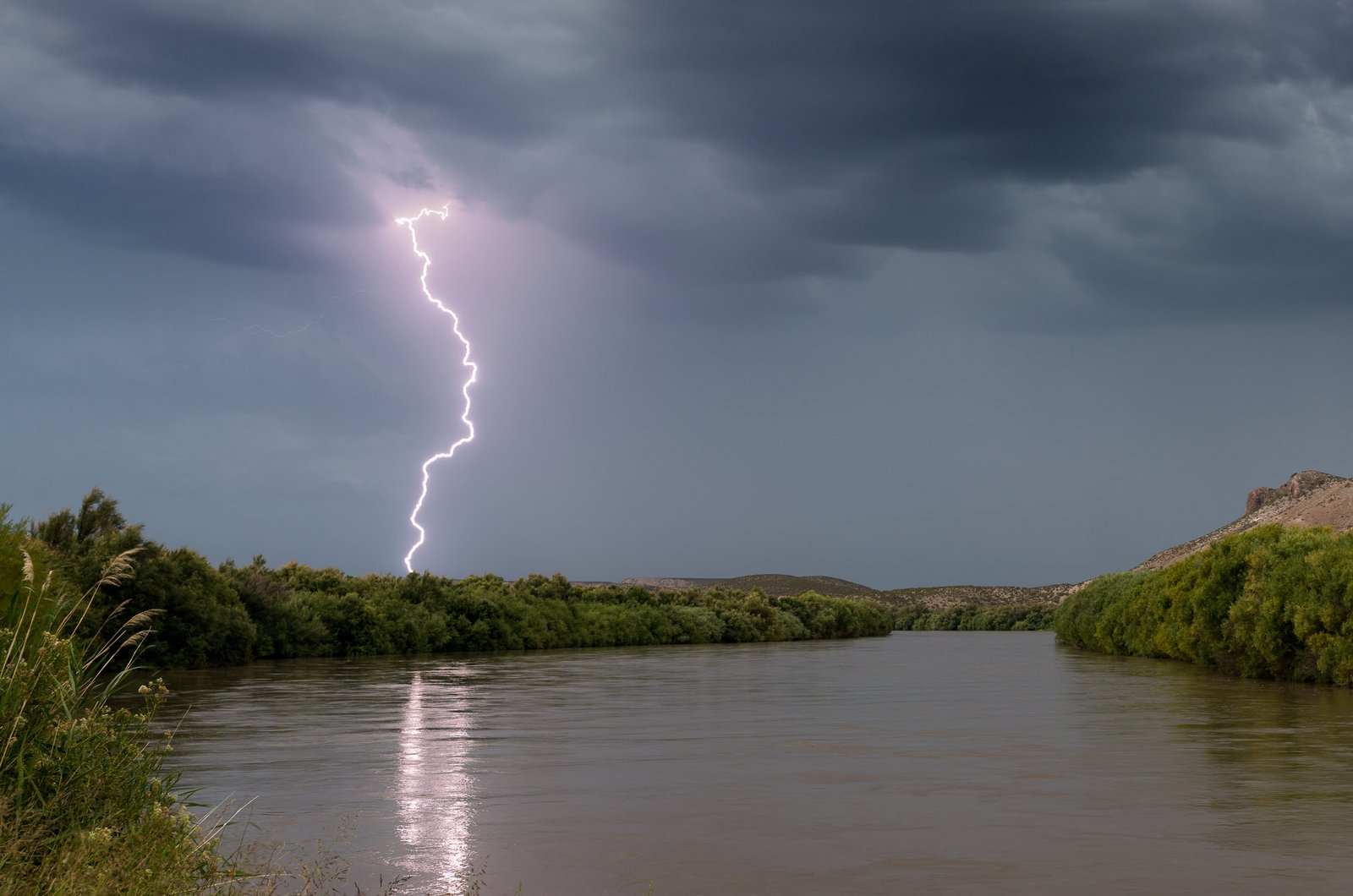
Radium Springs is part of the Las Cruces Metropolitan Statistical Area, with 1,498 residents at the 2020 census, and it sits along the Rio Grande. On the Interstate 25 exit list, exit 19 is NM 157 toward Radium Springs, and exit 32 serves the Leasburg Dam State Park and Fort Selden State Monument area. Its listed elevation is 3,960 feet. The community is home to old Fort Selden from the Indian Wars era and has an old hot spring, so public land, historic sites and farms all share the ground.
Leasburg Dam State Park sits on the Rio Grande about 15 miles north of Las Cruces, and its diversion dam, completed in 1908, diverts river water into canals serving Mesilla Valley farms. The park covers 293 acres. A project near that infrastructure needs to respect the canal, the right of way and the water schedule, and we plan our work in those terms from the first meeting.
Headwalls, culverts and structures at the water's edge
The center of our work here is hydraulic concrete. Culverts and headwalls carry drainage under drives and roads, and they need correct invert elevations, solid bedding and wingwalls that prevent erosion. We set elevations with a laser, form the structure in place or install precast units, and place riprap or concrete aprons to protect the downstream channel.
For small diversion boxes, drop structures and turnouts, we use concrete formwork built for tight tolerances, because gates and slides must seat against flat, plumb surfaces. Reinforcement, waterstops and joint details follow the drawings, and we inspect forms and steel with the engineer before concrete goes in.
Parks, canals and the owners who maintain them
The owners who build near the river are often public: irrigation districts, park managers, counties and the state. They care about durability, safe access and a minimum of disruption to water delivery. They tend to specify heavier reinforcement and better curing than a typical commercial job, and we price to those specifications.
Visitor areas such as the ones around the state park and the monument also need concrete: ramps, trails, picnic pads, restroom slabs and parking. These jobs look simple, but they have to be accessible, drain well and hold up to sun and storm. They also have to be built without damaging the surroundings.
Working in and beside moving water
An excavation near a canal or river carries additional hazards: seepage, bank failure, drowning and flooding. We coordinate with the canal operator about shutdown windows and about what to do if gates open unexpectedly. Workers near water wear the required protection, and the job has an emergency plan that everyone has read.
When groundwater enters a trench, we dewater with sumps or well points as the conditions require and discharge in a way that does not create erosion or pollute a ditch. We also install erosion control and stormwater measures before disturbing the bank, and we maintain them until the area is stable.
Excavation, forming and finishing under one superintendent
Culvert and headwall jobs have many small handoffs: excavate, set bedding, place pipe, form wingwalls, place steel, pour, strip, backfill and restore. We keep those under one superintendent so the sequence does not stall between trades. The same superintendent who oversees the excavation also knows where the pipe sits and where the backfill must be compacted.
If rock or hard ground appears, we decide quickly between a hammer, a different alignment or a redesigned structure, and we discuss the cost with the engineer. Early notice of conditions is what keeps a hydraulic project on schedule, and we would rather call the engineer from the trench on day one than explain a surprise on day ten.
Seasonal water and public access
Most canal work has a window when water is off. We match our schedule to that window and often preorder forms, steel and concrete so we can place quickly. If the window closes before the work is done, we protect the open excavation and stop. The canal owner's water delivery comes first.
On public sites, visitors and neighbors share the area. We keep fences, signs and a clean site so people can see where the work is. For projects near Dona Ana or Organ, we use the same planning, and our work for municipal and public works owners follows their submittal requirements. Public buildings such as government and municipal facilities follow the same logic.
Planning work near a canal or the river?
Send the location, the structure type and any drawings. We will propose a scope, dewatering and erosion plan and a schedule that fits the water window.
Questions Owners Ask
When can you work in a canal or ditch?
Only when the operator says the water is off or diverted. We ask for the dates early, plan the work to fit, and keep a contingency if the schedule slips. Starting before the water is off is not an option.
What is the difference between a cast-in-place and a precast headwall?
Cast-in-place gives you flexibility to fit odd angles and elevations, but it needs forming, curing and more time on site. Precast arrives ready, so it installs faster, but needs a crane and accurate bedding. We recommend based on the site and the schedule.
How do you control erosion at an outfall?
We use aprons, riprap or energy dissipators sized by the engineer, set on compacted bedding with a filter layer where required. We check the outfall again after the first significant rain and fix any scour.
Can you build trail or picnic concrete in a park?
Yes. We build accessible ramps, trails, pads and parking, with attention to slopes, color and texture. We also schedule work to limit disruption to visitors and wildlife.
What testing do you do on structures that will carry water?
We cast cylinders for strength, check slump and air on each load, and inspect formed surfaces for honeycombing before backfill. For pipe, we check bedding, joint seating and alignment, and test where the specification requires it. Findings go to the engineer on the same day, so a problem is repaired before the structure is buried.
How do you protect fresh concrete from sun and wind beside the river?
Open ground by the river offers little shade, and wind can dry a surface fast. We pour early, use windbreaks and evaporation control during finishing, and cover or compound the surface right away. Headwalls and aprons are cured longer than a typical sidewalk, since they will sit in moving water.