Data Center Concrete, Duct Banks and Site Work in Las Cruces
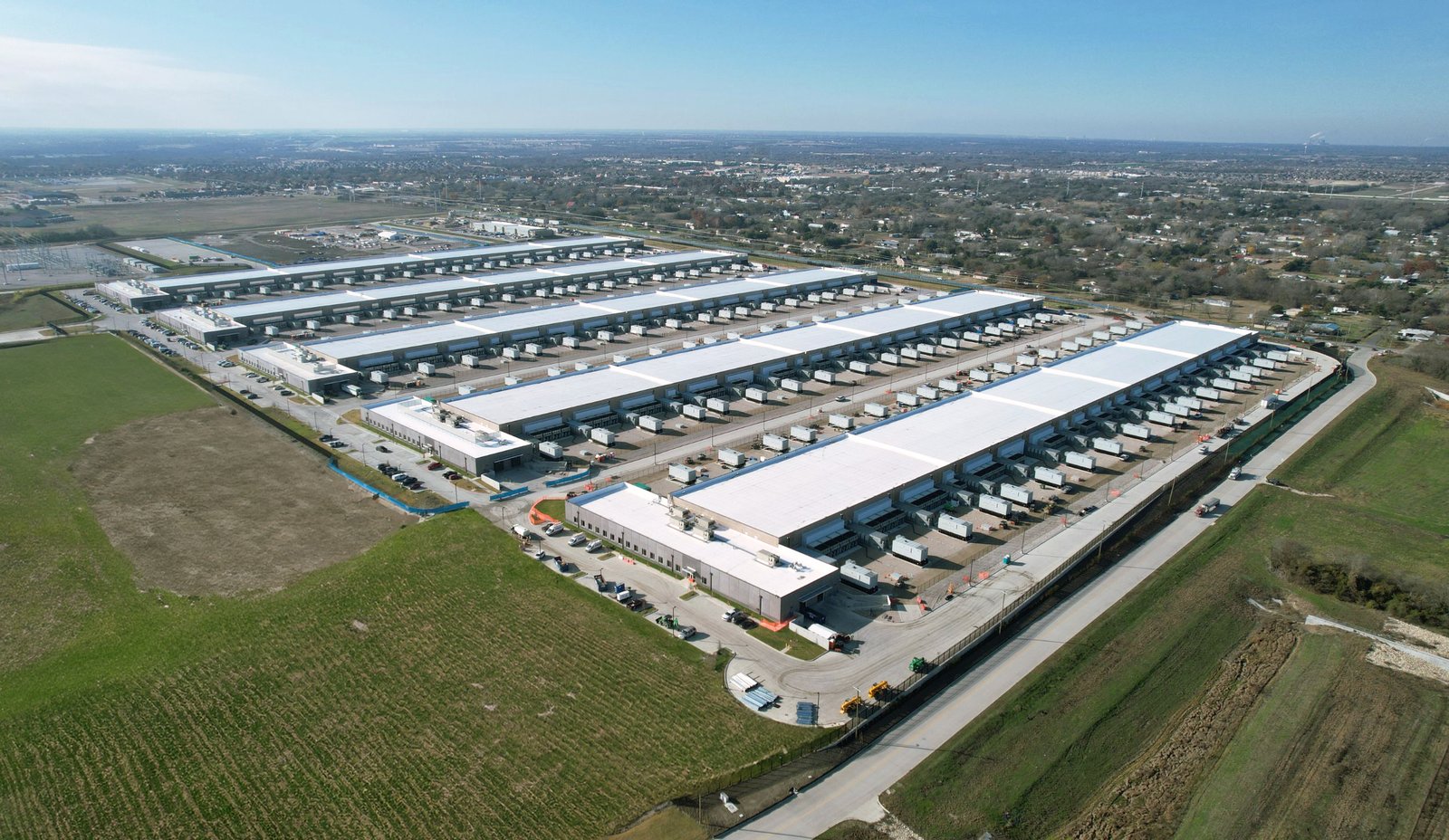
Fourteen hundred acres changes how you think about dirt. An August 26, 2026 Albuquerque Journal article describes Project Jupiter as a 1,400 acre data center under construction in Santa Teresa, and a campus on that scale is a long list of earthwork, concrete and underground utility packages before the first server arrives. Even a small data hall needs the same kinds of work: a level pad, heavy equipment foundations, long runs of duct bank and a site that drains.
Data center concrete is about weight and routing. Generators, transformers, chillers and switchgear sit on pads that must carry their load without settling, and everything between them is joined by conduit that has to be where the drawings say it is. We do the pads, the duct banks, the trenching and the grading.
This is how we plan that work in Dona Ana County, from the first permit conversation to the last pad.
Santa Teresa and the data center conversation
Santa Teresa has the Santa Teresa Port of Entry, the 1,100 acre Santa Teresa Gateway Rail Park and the Dona Ana County International Jetport, and its listed elevation is 3,937 feet. The Albuquerque Journal article also reports that Sunland Park's revised Rancho Santa Teresa annexation proposal covers approximately 362 acres, with the city projecting it would add $50 million to the local economy, so land near the project is being planned and rezoned.
A campus-scale project pulls on concrete supply, haul routes and testing capacity, so we talk about those on day one. The buyers in this market include utilities and energy companies that serve the load and developers who deliver the campus. Our page on Santa Teresa covers the corridor in more detail.
Electrical, energy and building rules
The 2020 New Mexico Electrical Code (14.10.4 NMAC) adopts the 2020 National Electrical Code and took effect March 28, 2023, and permits have been issued only under the new rule since September 28, 2023. For a data center that is the rule behind duct bank construction, grounding and clearances around switchgear pads, so we coordinate with the electrical contractor before forms close.
The building itself follows the 2021 New Mexico Commercial Building Code (14.7.2 NMAC), based on the 2021 International Building Code, and the 2021 Commercial Energy Conservation Code (14.7.9 NMAC), effective January 30, 2024. Grading and stormwater submittals run on the local jurisdiction's timeline, and for large disturbed areas we prepare erosion control and SWPPP documents before we mobilize.
Pads, duct banks and the dirt under them
Data center sites reward a contractor who does the dirt and the concrete together. We prepare the pad, compact engineered fill, place equipment pads and run duct banks as one program, so a transformer pad and the conduits that feed it are poured to the same survey control. Our electrical duct banks are formed, spaced and encased to the drawings, with marker tape and inspection before backfill.
Mechanical yards carry heavy gear. Generator and chiller pads are often thick and heavily reinforced, and settlement tolerances are tight, so we follow the geotechnical recommendations for over-excavation and recompaction where soils require it and check elevations with survey before and after each placement.
Phasing a campus
Large data projects deliver in phases: site work, building shell, a first hall, then more halls. We phase civil work to match, so storm drainage and main utility loops are installed for the full campus while pads and duct banks are poured per phase. Future-phase stubs are capped, marked and surveyed so the next crew can find them. Mass grading usually comes first and sets the survey control for everything else.
Pour windows follow the weather. Summer heat and wind mean early starts, and spring blowing dust means covering exposed fill and watering haul roads. We keep concrete trucks moving on planned haul routes to avoid congestion at the gate, and we keep testing technicians on site for every placement.
Safety on a large, busy site
Big sites mix many trades: crews at height, cranes setting equipment, heavy trucks moving fill. We plan trench safety for every excavation, with sloping, shoring or trench boxes, and keep spoil piles back from the edge. Utility locates and potholing happen before any machine breaks ground, and we mark every line we find.
Concrete work has its own hazards, from pump line pressure to silica dust from cutting and hot concrete in the sun. We cover them in daily briefings and follow the general contractor's site safety plan. Secured data sites add badge and gate procedures, so we plan crew arrival and truck access around them.
Neighboring scopes on a data site
A data site pulls several of our services in at once. Stormwater detention handles runoff from large paved and roofed areas, concrete testing keeps strength records for every placement, and underground water and fire lines serve the buildings. Each has its own inspection steps, which we fold into one calendar.
For owners comparing building forms, a data hall shares traits with a manufacturing plant: heavy equipment, a controlled floor and strict utilities. Support buildings such as an operations center can follow the approach for flex and light industrial buildings.
Share the one-line diagram
Share the site plan, the equipment pad list and the duct bank routes, and we will lay out grading, concrete and utility phases for your data center.
Questions Owners Ask
How are generator and transformer pads different from a regular slab?
They are thicker, more heavily reinforced and set to tighter elevation tolerances, with sleeves, embedded plates and conduit stub-ups placed before the pour. The subgrade under them is compacted and often over-excavated, since uneven settlement shifts equipment and strains connections. We survey the pad before and after placement.
Why are duct banks encased in concrete?
Encasement holds conduits at the spacing the design requires, protects them from vehicle loads above and keeps the bank from shifting during backfill. Red-dyed concrete is often used as a warning layer. We space conduits with chairs, pour in controlled lifts and inspect before backfilling.
What approvals come first on a campus-scale site?
Grading and drainage review, stormwater and erosion control submittals and utility service coordination usually come before building permits. For large disturbed areas the erosion control plan has to be in place before soil is stripped. We help the design team line these up so site work can start when the permits do.
Can concrete supply keep up with a large data pour schedule?
It can when the plan starts early. We talk with batch plants about daily capacity, ask for backup supply on big pours and schedule placements to avoid the hottest hours. Testing technicians and a planned truck route at the gate keep a large placement moving rather than waiting.
Does a data hall pad need a separate geotechnical review?
Usually the project geotechnical report covers it, but equipment pads and heavy mechanical yards often get specific recommendations for bearing capacity, settlement and fill depth. We read those sections closely, ask the engineer about any soft areas the borings found and price over-excavation as its own line so the owner can see the effect of site conditions on the budget.