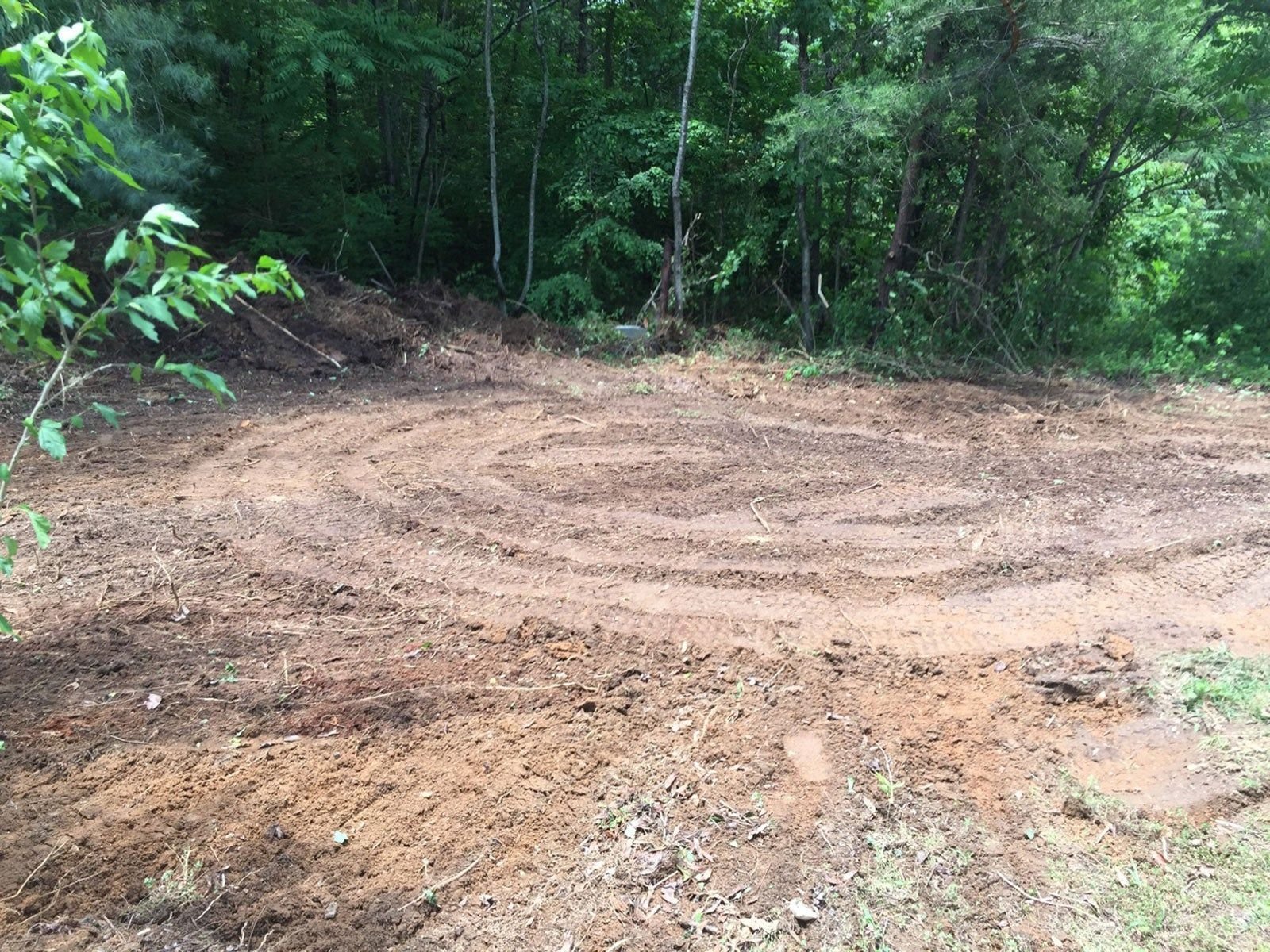
Site Clearing and Grubbing for Development Land in Las Cruces
Clearing is the first cut on a site and the first chance to get the schedule, the dust and the permit wrong. Before anyone grades a pad or trenches a pipe, somebody has to decide what leaves the ground, where it goes and how much topsoil comes along with it. We make those decisions on paper before the first machine starts, and we mark the limits so nobody clears more than the plan allows.
Land in this part of New Mexico comes in very different forms. Desert brush at the edge of the city, abandoned farm ground along the valley, old irrigation structures and fence lines, and orchards or vineyards in the Mesilla Valley, where NM 28 passes farmland, dairy farms, vineyards and pecan orchards. Out toward the border, Project Jupiter is a 1,400 acre data center under construction in Santa Teresa, and Sunland Park's annexation proposal covers about 362 acres. Large parcels make clearing a production job with haul routes, stockpiles and a lot of dust control.
This page explains how we clear and grub a site, from the first survey to the final haul-off.
What clearing and grubbing include
Clearing removes brush, trees, fences, trash and surface debris. Grubbing goes deeper and removes stumps, roots and buried vegetation, which would rot and settle under a future pad or road. Together they leave a clean surface for stripping, grading and building. We also deal with the odds and ends that turn up: old foundations, buried debris, abandoned pipe and irrigation structures. Where the plans call for it, we cap or remove them and record where they were.
We separate material streams as we go. Topsoil is stripped and stockpiled for reuse, as described in our work on topsoil stripping and stockpiling. Brush and wood are chipped, burned where allowed or hauled to an approved facility. Concrete, asphalt and metal go to recycling when possible. This sorting reduces disposal cost and keeps the topsoil clean enough to use again.
Limits of disturbance, nesting and neighbors
The plans show a limit of disturbance, and we respect it. We stake it, flag it and fence it where trees or sensitive features are to be saved. In some cases, an environmental or cultural review has restrictions on when and where clearing can occur, such as a seasonal window for nesting birds. The owner and the design team know the conditions; we ask early so the schedule respects them.
Neighbors matter too. A clearing job near homes, farms or a busy road creates dust, noise and truck traffic. We plan haul routes that avoid residential streets, run water trucks to keep dust down and use fences or silt barriers at the edge. If the site is near an irrigation ditch, we keep debris out of it, since a clogged ditch causes trouble for the farmers downstream.
Why clearing is a bigger line item in a growing region
As sites in the Las Cruces area grow, clearing grows with them. The Innovation and Industrial Park at the junction of I-10 and I-25 has 400+ acres listed as shovel ready, which means it is cleared or ready to be cleared, with another 500 acres available. Clearing cost is a significant part of the total site development cost on a large parcel, and it can be reduced by good planning.
Desert vegetation is sparse, but it holds soil. Removing it too early exposes the ground to wind and water erosion. We therefore stage clearing close behind the grading crew, rather than stripping the whole site and leaving it bare for months. Sites near Sunland Park and in the open ground around Santa Teresa are good examples of parcels where a phased approach saves money and dust.
Dust, fire and heavy equipment
Dust is the most visible issue. Clearing in a dry climate lifts it, spring afternoons can be windy with blowing dust, and a dust cloud across a road is a hazard. We use water trucks, limit the area open at any one time and stop work when wind speeds exceed what dust control can handle. A written dust plan is often part of the permit, and we follow it.
Fire is another concern. Brush piles and hot equipment in dry vegetation can start a blaze, so we keep extinguishers and water on site, clear fire breaks around work areas and avoid burning on windy days. Heavy equipment brings its own risks; spotters are used near people, and equipment is kept away from overhead lines and buried utilities, which we locate before clearing. See our work on erosion control and SWPPP for the related stormwater measures.
Fitting clearing into the development timeline
Clearing is usually on the early critical path, and it often waits on permits. A grading permit, a stormwater plan and any environmental approvals have to be in place before we start. Once released, a well-run clearing crew covers ground quickly, but the haul-off and the wood and brush disposal can set the pace. We line up disposal sites in advance and track loads. Sites that still hold old structures are handled through our demolition and site prep scope.
We phase clearing with mass grading so open ground is minimized. On a phased development, we clear the first phase and leave the rest alone until needed. This keeps costs down and reduces the risk of erosion on parcels that are not yet active. Weather rarely stops clearing in this climate, but high winds and monsoon storms can, so we keep a flexible schedule.
What changes the price of a clearing job
Vegetation density is the biggest factor: a lightly vegetated desert parcel costs far less per acre than an old orchard with large trees and stumps. The next factors are haul distance and disposal fees, the amount of debris, the presence of structures to remove, and whether wood can be chipped or burned on site.
Access also counts. A site with a good road and room for trucks costs less than one with a narrow gate and a long haul. We walk the site, list the unknowns and offer unit prices for items such as large stumps or buried debris. Homebuilders and multifamily developers who are buying land often ask for that walk before closing, and we are happy to do it.
Walk the parcel with us
Send the survey or the parcel number and tell us what you plan to build. We will walk the ground, flag the unknowns and give you a price and a schedule for clearing that fits your permit timeline.
Questions Owners Ask
What is the difference between clearing and grubbing?
Clearing removes what is on the surface: brush, trees, fences and debris. Grubbing removes what is below the surface: stumps, roots and buried vegetation. Both are needed before grading when organic material would otherwise sit under a pad or road.
Can I reuse the topsoil from the site?
Often, yes. We strip it separately, stockpile it and protect it from erosion, and it can be spread later for landscaping or revegetation. Whether it is suitable depends on the soil quality and the plan.
Do I need a permit to clear land?
Usually a grading or land disturbance permit is needed, and larger sites may need a stormwater plan. The rules vary with the jurisdiction and the size of the project, so we ask the owner and the engineer which approvals are in place before we start.
How do you handle dust on a windy day?
We apply water, limit the open area and stop if the wind overwhelms the controls. The dust plan is part of the permit on many sites, and we log our water use. A few hours of delay is cheaper than a complaint or a violation.
What do you do with the debris?
We sort it. Topsoil is kept on site, wood and brush go to chipping or an approved facility, and concrete, asphalt and metal are recycled when possible. Hauling and disposal follow local rules, and we keep the load records.