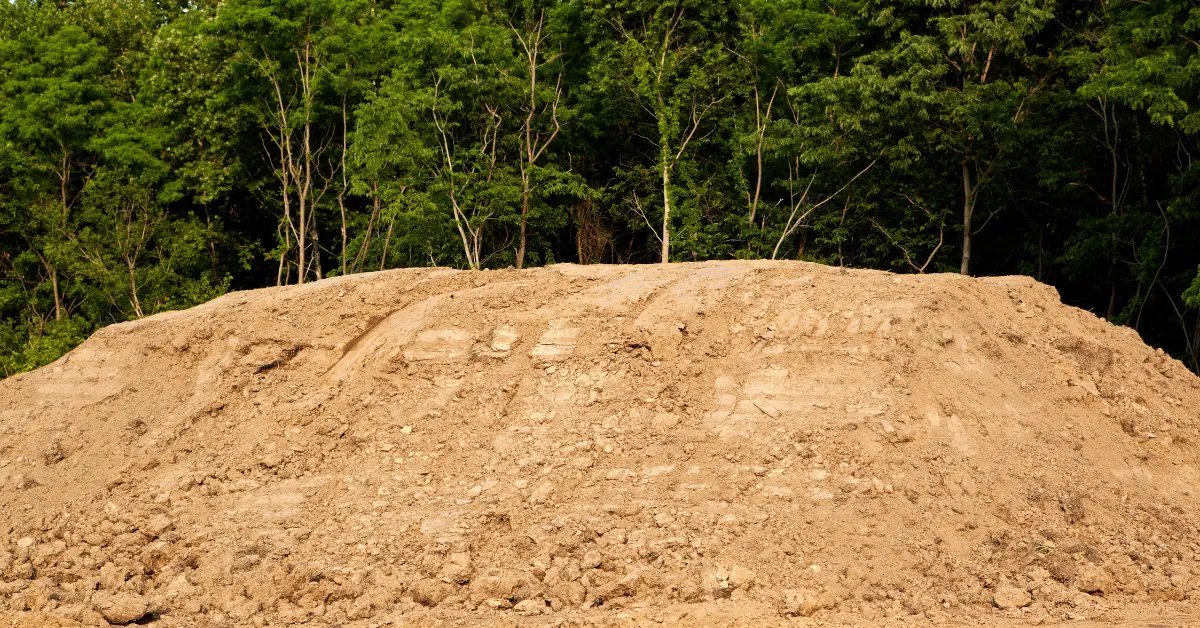
Engineered Fill and Soil Stabilization in Las Cruces
Fill is only engineered when somebody writes down what it is made of, how wet it should be when it is placed and how dense it must end up. Without that it is just dirt in a pile, and the pile will move. Engineered fill gives a building, a pavement or a utility structure a known foundation: material that meets a gradation and plasticity limit, spread in thin lifts, compacted to a percentage of a laboratory maximum and verified by test. Soil stabilization goes a step further and changes the soil itself when the native material cannot do the job.
This region gives plenty of reasons for both. Airfields, industrial parks and new development all want a firm base, and ground in a dry basin swings from hard and dusty in summer to soft after a downpour. In 2021 utilities, lighting and taxiways were being extended on the east side of Las Cruces International Airport to support hangar development, and work like that depends on fill and subgrade that will not move under aircraft, trucks or hangar floors.
We place engineered fill and treat weak soils for developers, owners and contractors who need predictable pads and pavements. Where the problem is the soil rather than the grade, we compare removal, mechanical stabilization and chemical treatment and tell you what each costs, tying the result back to building pad preparation so the finished surface matches what the foundation design assumed.
What the soils report and the specification fix
Engineered fill is defined by documents. The geotechnical report names acceptable material, lift thickness, moisture range and density, and the project specification adopts them. The usual language is a percentage of maximum dry density from a laboratory compaction test, with a moisture window around the optimum. We take those numbers literally, because they set the water we haul, the lift thickness we place and the equipment we use.
The building falls under the 2021 New Mexico Commercial Building Code, which adopts the 2021 International Building Code as amended and took effect July 14, 2023, and that code expects the foundation to bear on soil the design assumed. The special inspector or testing agency documents that we met it. We provide access, time the lifts to their visits and record what was placed where, so the file at the end of the job holds up if anyone asks.
Why fill and stabilization matter on this ground
Las Cruces sits at about 3,908 feet in a dry valley and basin setting, and the metro grows along corridors that cross arroyos, farmland and desert. Where an arroyo is crossed, fill has to be placed with scour in mind. Where farmland is converted, irrigation and cultivation may have loosened or saturated the upper soil. Reports on prior use help, but the bottom of the stripped area tells you most.
Infrastructure at Arrowhead Park illustrates the point. A 2010 report described a federal grant that funded widening Arrowhead Drive from two lanes to four, completing the wastewater system and adding street lighting across 224 acres between Interstates 10 and 25. Roadway and utility work like that rests on prepared, compacted subgrade, and as a park fills with buildings each pad gets the same treatment: strip, proof-roll, fill in lifts and test.
Placing fill so it passes the first time
We start with the source. Borrow material is sampled and tested before it is hauled, so we are not discovering a plasticity problem after a hundred truckloads. On site we spread each lift with a dozer or grader to a loose thickness the roller can compact all the way through, usually thinner than people expect, and then condition the moisture and roll.
Tests come as the work goes. The technician measures density and moisture on a grid and at random locations, we hold the next lift on critical areas until the numbers come back, and any failure is scarified and redone. When native soil is weak but improvable, we may blend it with aggregate or treat it with lime and cement soil treatment, so we do not import more than the job needs.
Owners who specify engineered fill
Industrial and manufacturing owners need heavy-floor pads and equipment foundations that will not settle under machines. For a plant, a settled pad is a production problem and not just a cosmetic one, so they usually specify tight density and verification. Aviation owners are another group: an aircraft hangar floor, an apron and a taxiway shoulder all depend on a uniform base.
Public owners use the same methods under roads and utilities and usually hand us their standard specifications. We follow them and add the documentation they ask for. For streets and drives, the same fill is paired with road subgrade preparation, so the subgrade and the structural layers of the pavement go down in one sequence under one set of test results.
What engineered fill and stabilization cost
Cost is mostly material and moisture. Imported select fill is priced delivered by the ton or the yard, and haul route and distance matter more than people expect. Moisture conditioning needs water, and in dry country water is not free, nor is the time it takes to blend it evenly. Testing is a smaller line but a necessary one, and the more lifts there are, the more tests.
The comparison that matters is between options. Replacing poor soil with imported fill, treating it in place or redesigning the foundation each cost something different, and the right answer depends on depth and area. We price the alternatives side by side when the owner has a choice, so the decision rests on numbers and not on habit.
Lifts, tests and weather
Fill is a rhythm of spread, water, roll and test, and the schedule follows how fast each step can go. A large pad with a dedicated compaction crew moves quickly, while a patchwork of small areas moves slowly because of mobilization. We stage borrow so trucks are never waiting and the grader never runs out of material.
Weather changes the rhythm. June highs in Las Cruces average about 96 degrees, so water evaporates quickly and we work the cooler morning hours when we can. After a downpour, saturated lifts have to dry or be reworked before the next layer goes on, and we adjust the sequence instead of burying wet material under dry.
Need a pad that will not settle?
Send the geotechnical report and the grading plan. We will price borrow, placement and testing and tell you whether stabilization beats replacement on your site.
Questions Owners Ask
What makes fill engineered instead of regular fill?
Documentation and control. The material is approved, placed in measured lifts at a set moisture and tested for density, and the results are recorded. Regular fill may be the same dirt, but with no proof of how it was placed, nobody can show it will carry load.
How thick can each lift be?
The specification sets a maximum loose thickness, often several inches, and it depends on the compaction equipment. Thicker lifts look faster but leave a weak layer in the middle. We use the thickness that actually reaches the required density throughout.
Can you use on-site soil as engineered fill?
If it meets the gradation, plasticity and organic limits in the report. We sample the cut, test it and sort what can be reused. Soil that fails can sometimes be improved by blending or treatment instead of replacement.
Who verifies the compaction?
An independent testing agency measures density and moisture. We correct what fails, and the engineer reviews the results. Our own quick checks help us stay ahead, but they never replace the official test.
How do you handle dust while placing fill?
Water trucks run ahead of grading and on haul roads, speeds are held down and we work around the worst wind. Dry spring afternoons are the hardest, so we plan moisture-sensitive work for mornings and keep a second truck ready.